Home > Journey to the West > 39-prefecture-of-tongtai

39 The Prefecture of Tongtai

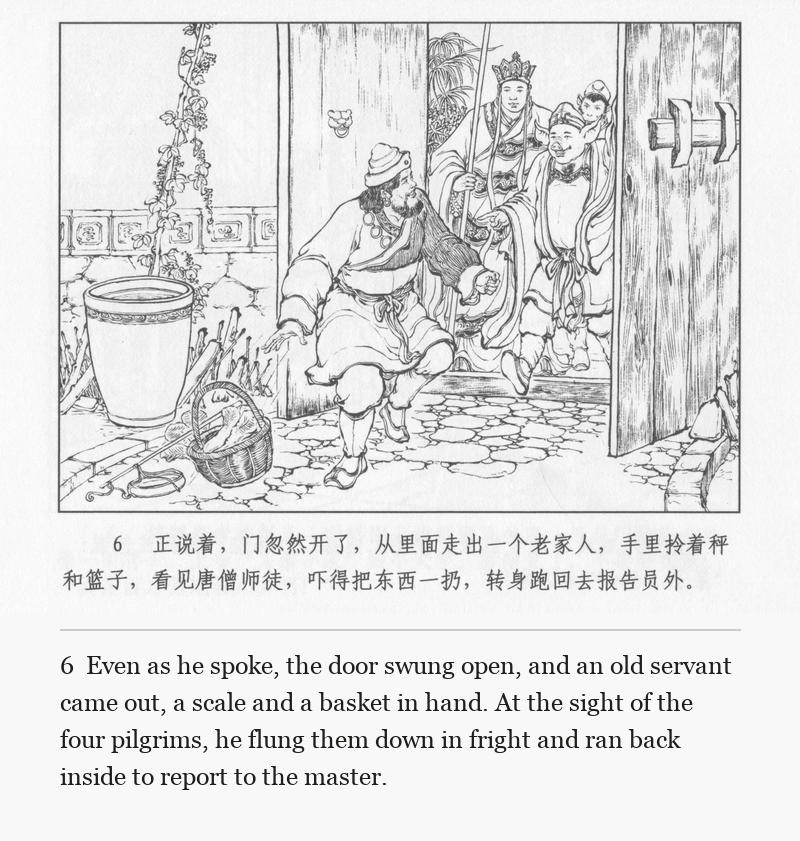
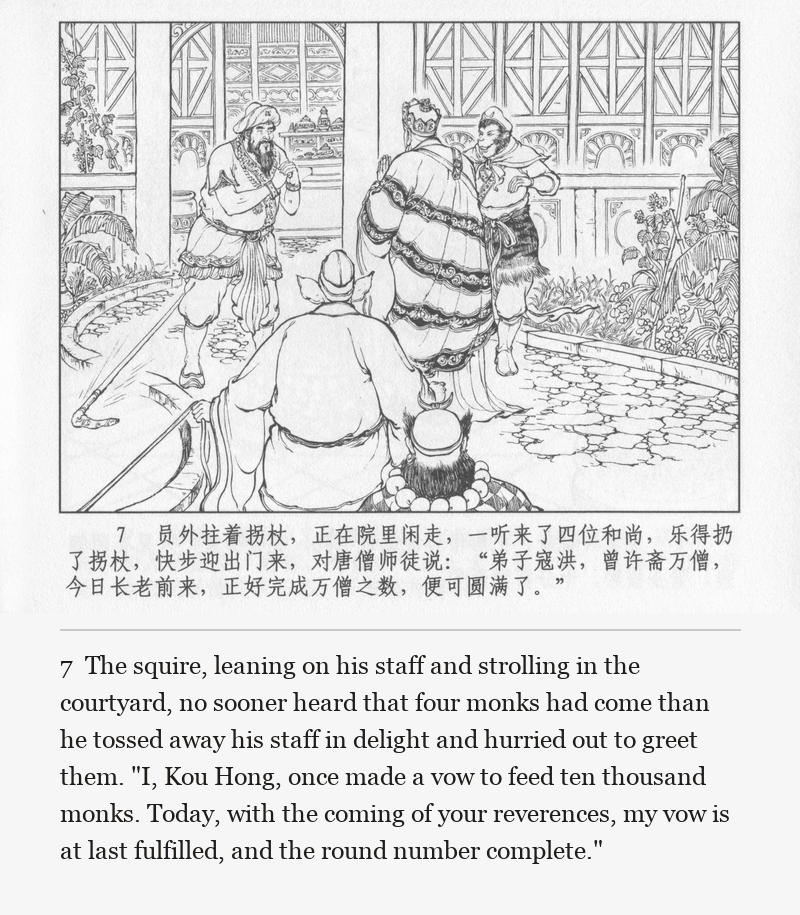
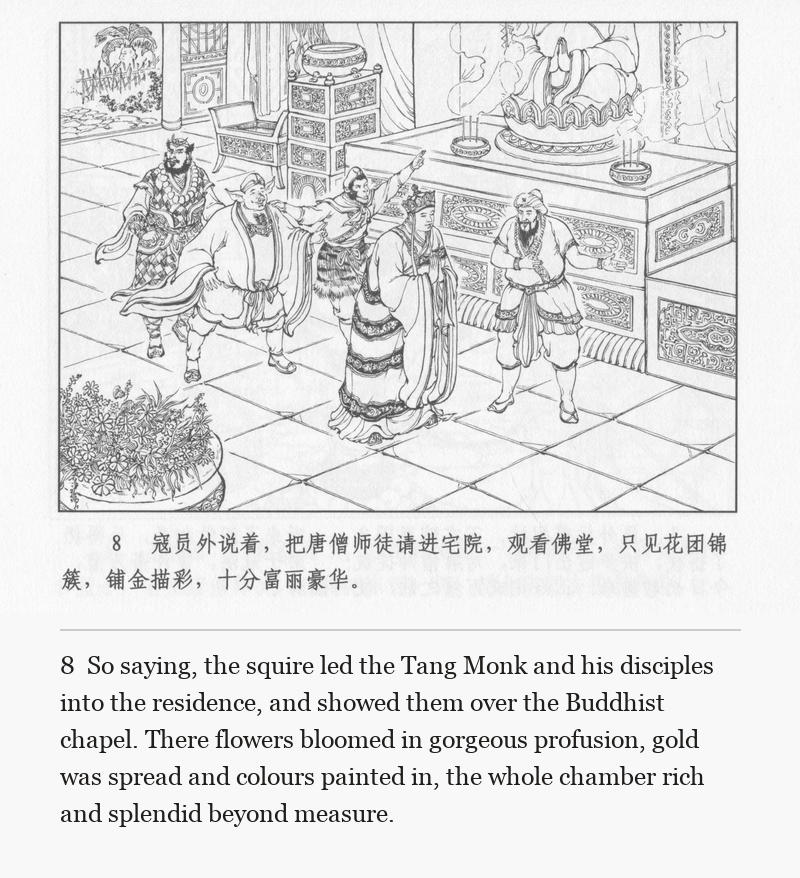
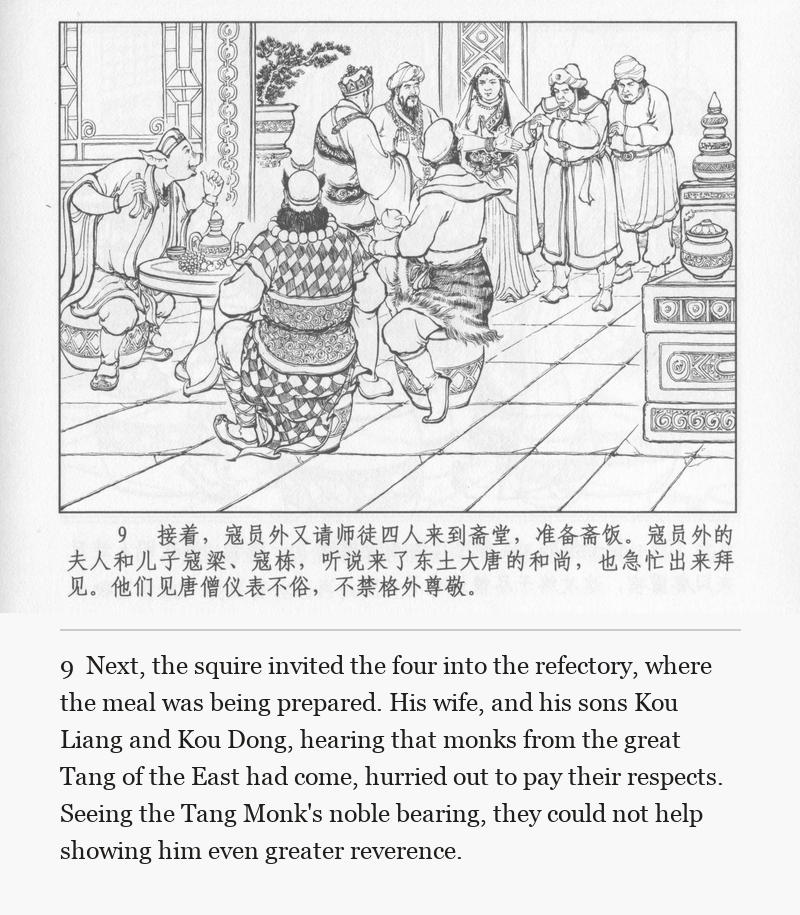
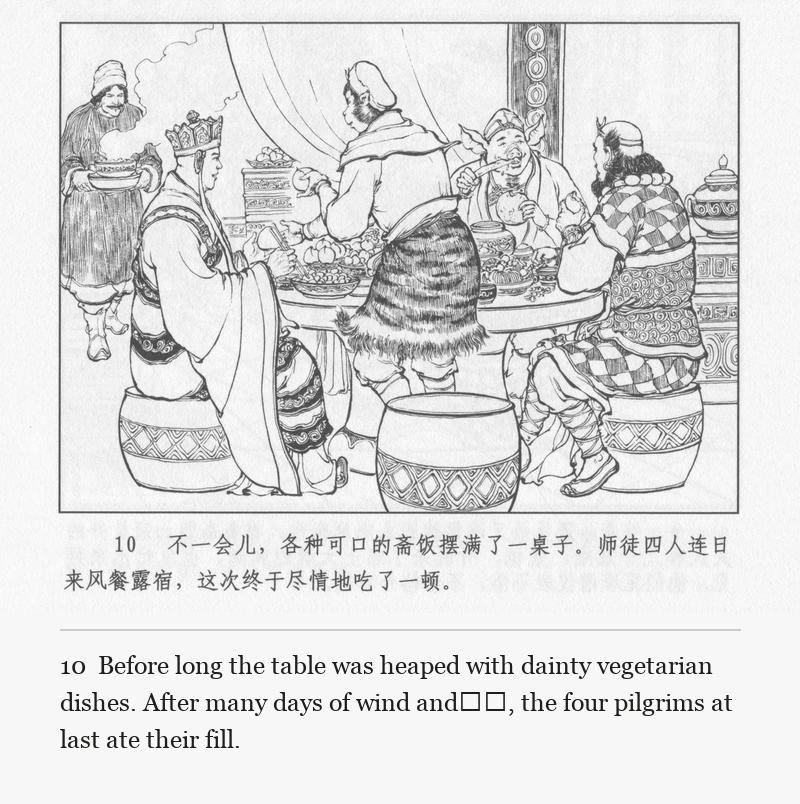
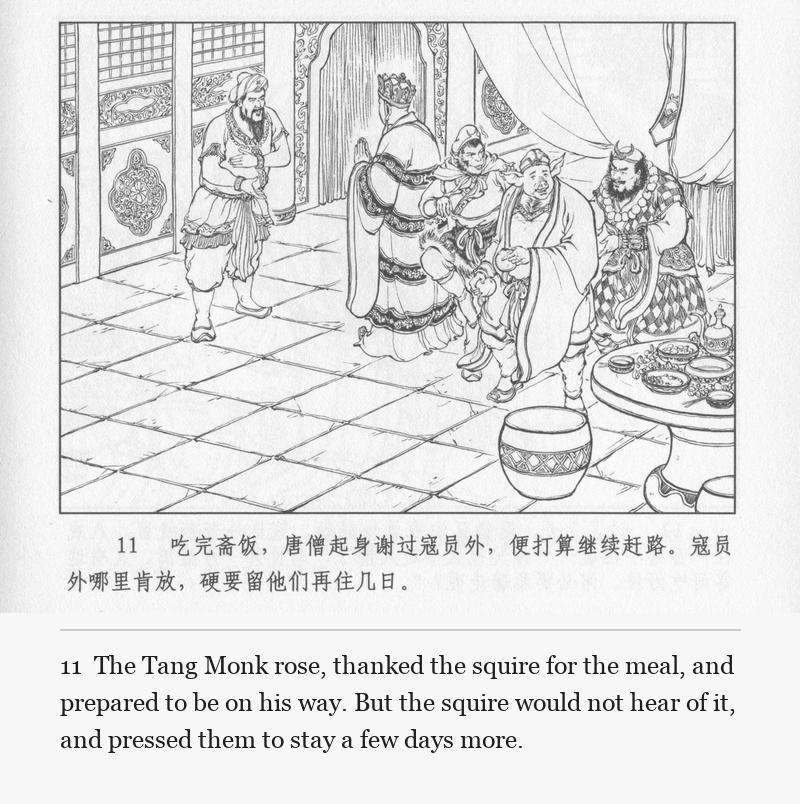
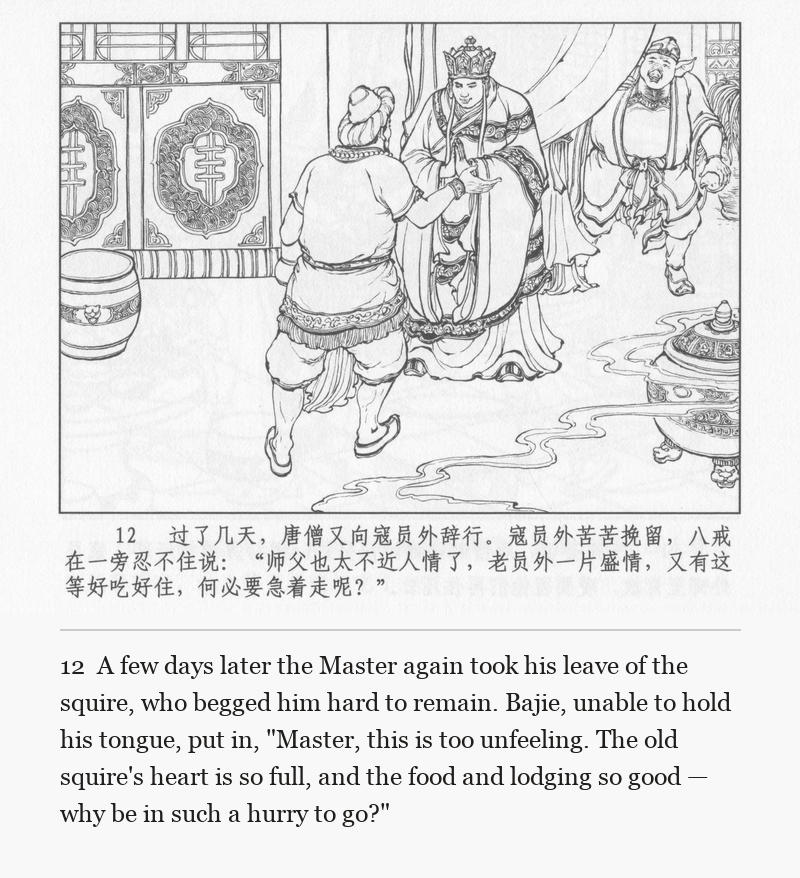
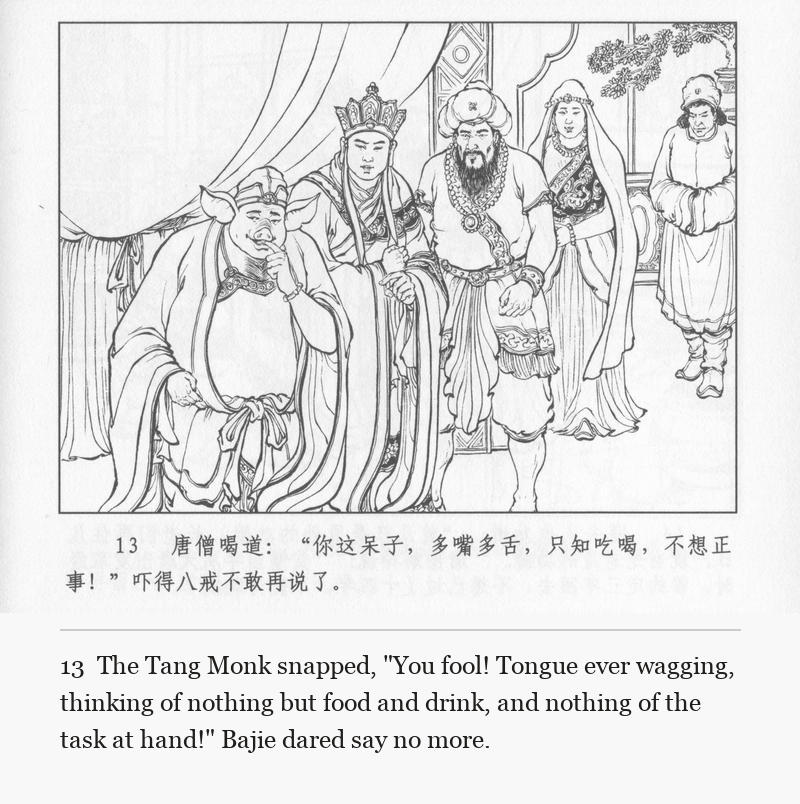
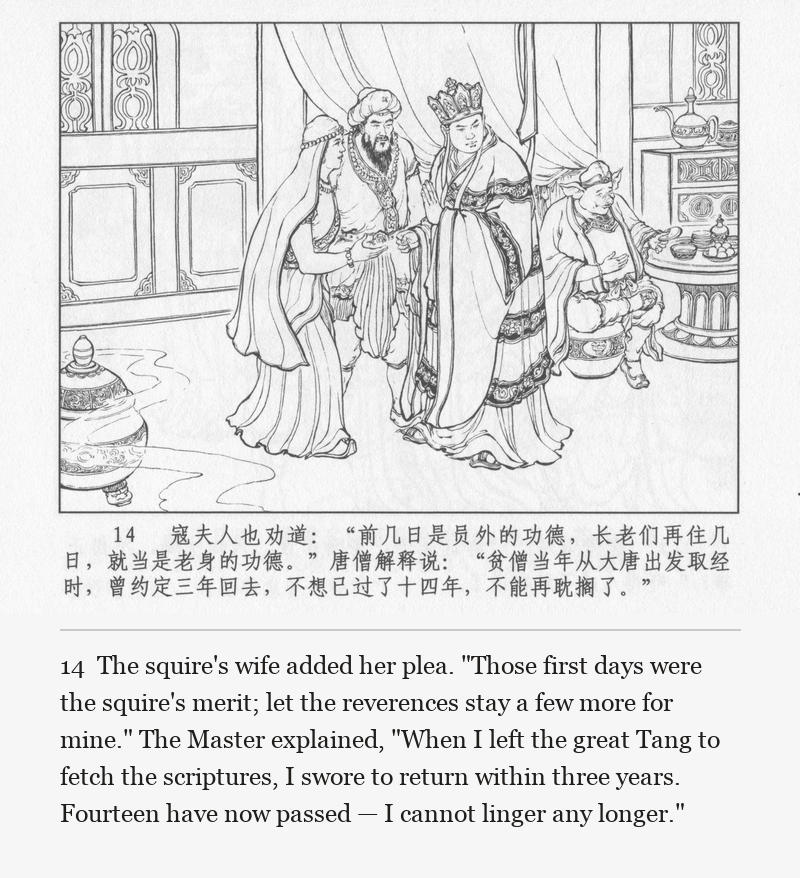
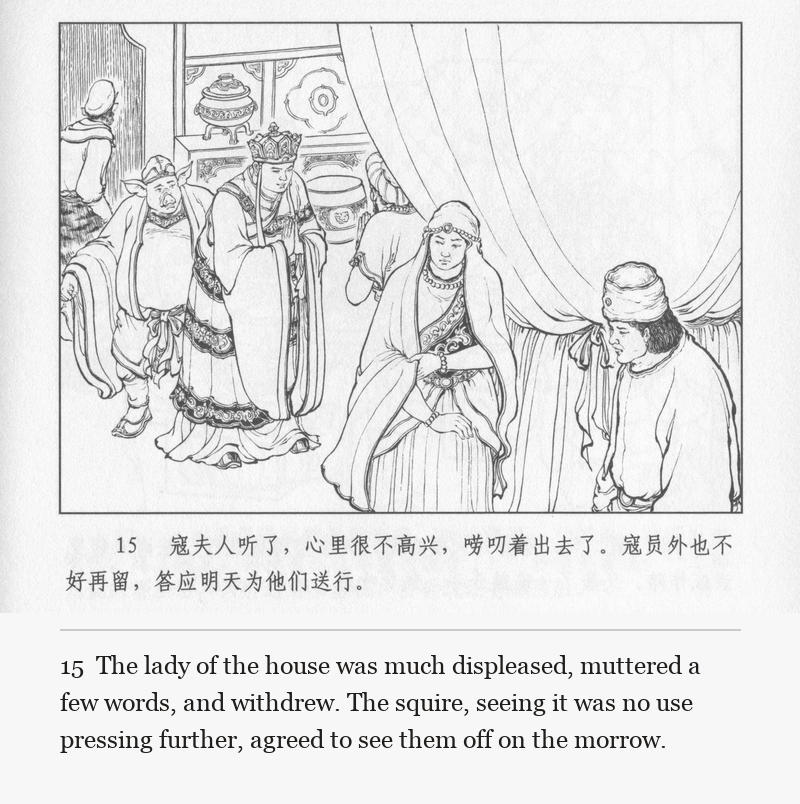
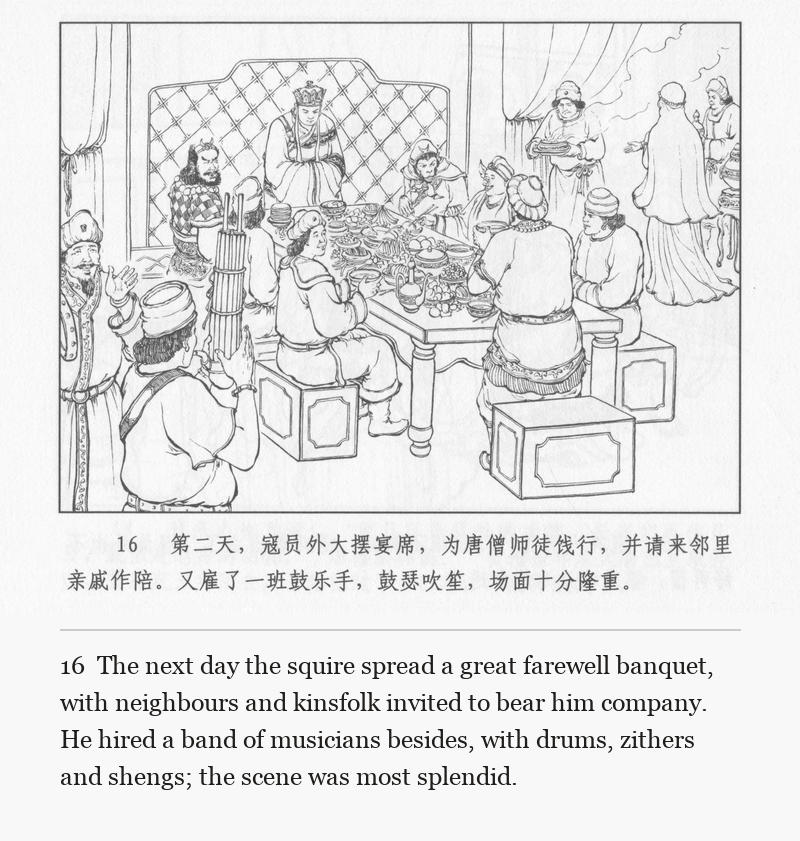
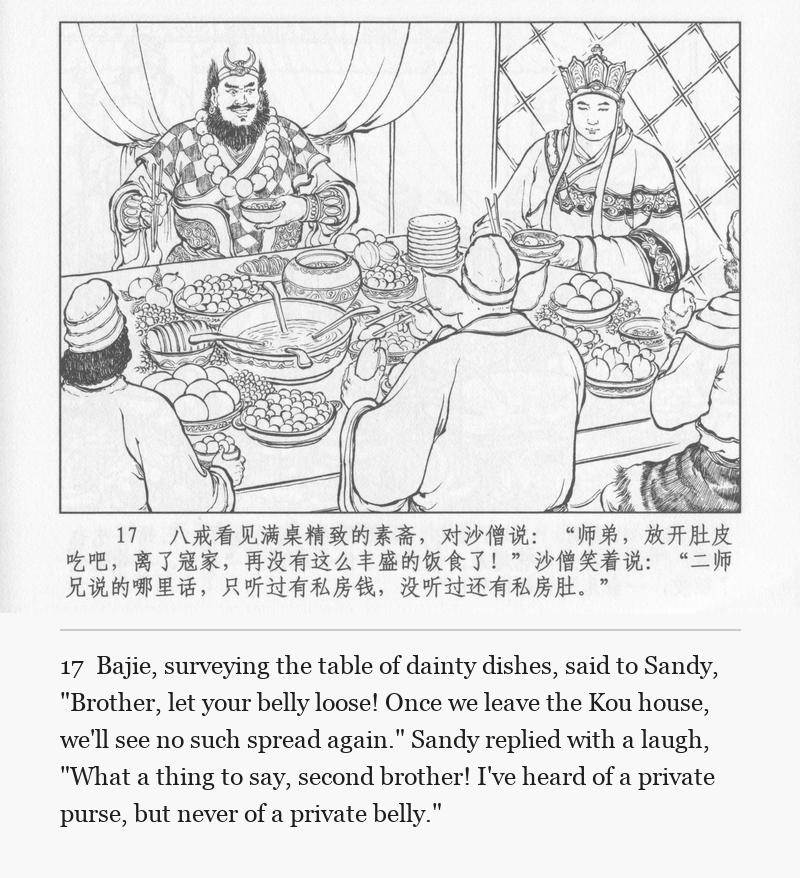
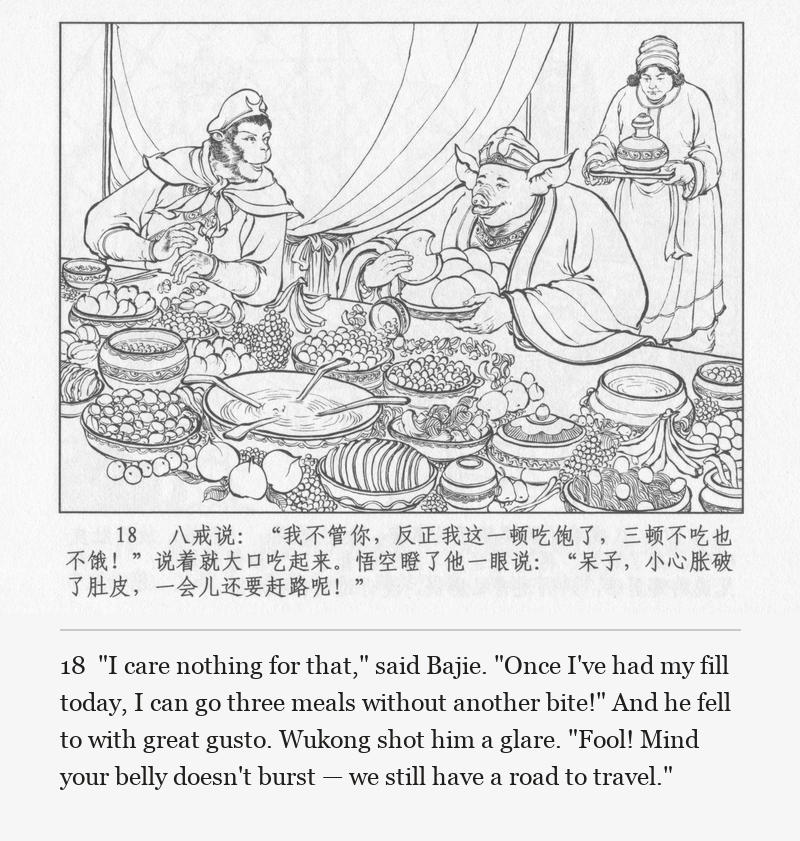
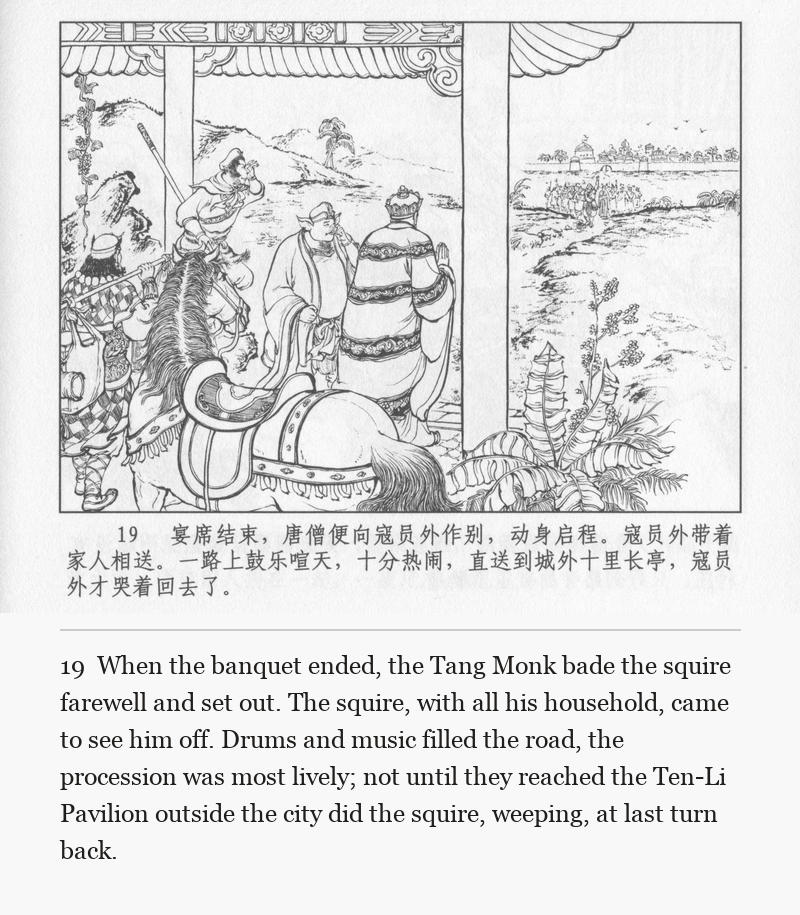
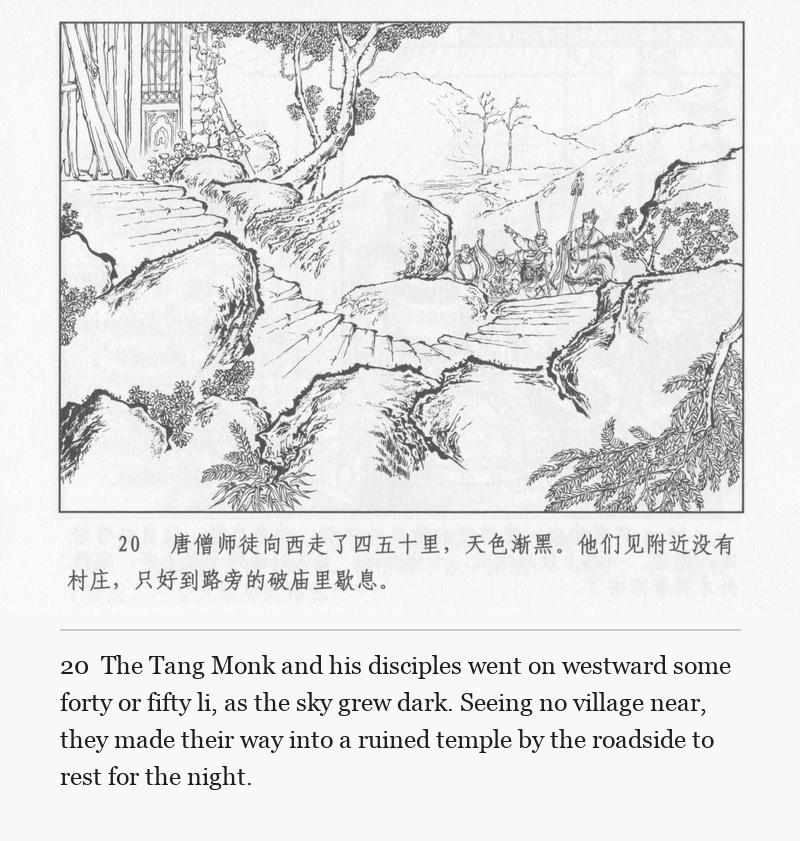
Even as he spoke, the door swung open, and an old servant came out, a scale and a basket in hand. At the sight of the four pilgrims, he flung them down in fright and ran back inside to report to the master. The squire, leaning on his staff and strolling in the courtyard, no sooner heard that four monks had come than he tossed away his staff in delight and hurried out to greet them. "I, Kou Hong, once made a vow to feed ten thousand monks. Today, with the coming of your reverences, my vow is at last fulfilled, and the round number complete." So saying, the squire led the Tang Monk and his disciples into the residence, and showed them over the Buddhist chapel. There flowers bloomed in gorgeous profusion, gold was spread and colours painted in, the whole chamber rich and splendid beyond measure. Next, the squire invited the four into the refectory, where the meal was being prepared. His wife, and his sons Kou Liang and Kou Dong, hearing that monks from the great Tang of the East had come, hurried out to pay their respects. Seeing the Tang Monk's noble bearing, they could not help showing him even greater reverence. Before long the table was heaped with dainty vegetarian dishes. After many days of wind and露宿, the four pilgrims at last ate their fill. The Tang Monk rose, thanked the squire for the meal, and prepared to be on his way. But the squire would not hear of it, and pressed them to stay a few days more. A few days later the Master again took his leave of the squire, who begged him hard to remain. Bajie, unable to hold his tongue, put in, "Master, this is too unfeeling. The old squire's heart is so full, and the food and lodging so good — why be in such a hurry to go?" The Tang Monk snapped, "You fool! Tongue ever wagging, thinking of nothing but food and drink, and nothing of the task at hand!" Bajie dared say no more. The squire's wife added her plea. "Those first days were the squire's merit; let the reverences stay a few more for mine." The Master explained, "When I left the great Tang to fetch the scriptures, I swore to return within three years. Fourteen have now passed — I cannot linger any longer." The lady of the house was much displeased, muttered a few words, and withdrew. The squire, seeing it was no use pressing further, agreed to see them off on the morrow. The next day the squire spread a great farewell banquet, with neighbours and kinsfolk invited to bear him company. He hired a band of musicians besides, with drums, zithers and shengs; the scene was most splendid. Bajie, surveying the table of dainty dishes, said to Sandy, "Brother, let your belly loose! Once we leave the Kou house, we'll see no such spread again." Sandy replied with a laugh, "What a thing to say, second brother! I've heard of a private purse, but never of a private belly." "I care nothing for that," said Bajie. "Once I've had my fill today, I can go three meals without another bite!" And he fell to with great gusto. Wukong shot him a glare. "Fool! Mind your belly doesn't burst — we still have a road to travel." When the banquet ended, the Tang Monk bade the squire farewell and set out. The squire, with all his household, came to see him off. Drums and music filled the road, the procession was most lively; not until they reached the Ten-Li Pavilion outside the city did the squire, weeping, at last turn back. The Tang Monk and his disciples went on westward some forty or fifty li, as the sky grew dark. Seeing no village near, they made their way into a ruined temple by the roadside to rest for the night.